
TEMPO.CO, Jakarta - The Indonesian Ministry of Finance has announced optimistic dynamic macroeconomic assumptions. Finance Minister Purbaya Yudhi Sadewa predicts that Indonesia's economy will grow by 5.4 percent in 2026.
As of the first quarter of 2026, economic growth was recorded at 5.61 percent, higher than last year's growth of 5.11 percent year-on-year.
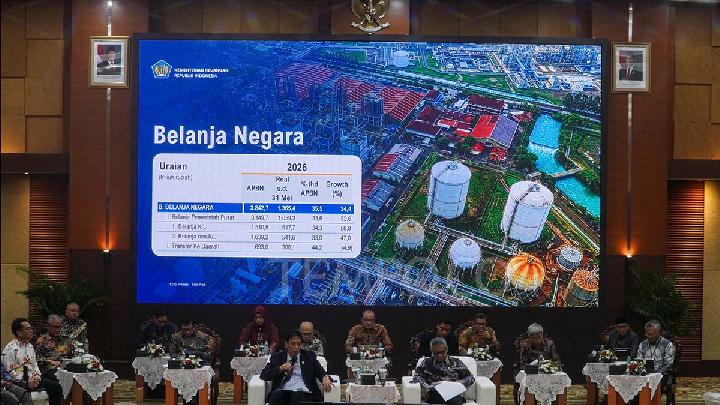
"This is based on macroeconomic assumptions. Economic growth will stand at 5.4 percent. The latest was 5.61 percent. The rupiah exchange rate up to now is 17,057 year to date, on average, (the assumption in) the state budget is 16,500," said Purbaya in the KiTA state budget press conference in Jakarta on Friday, June 5, 2026.
The ministry also targeted this year's inflation rate to remain at 2.5 percent, but as of May 2026, inflation stood at 3.08 percent. This figure is slightly higher than the actual inflation in all of 2025, which was 2.92 percent.
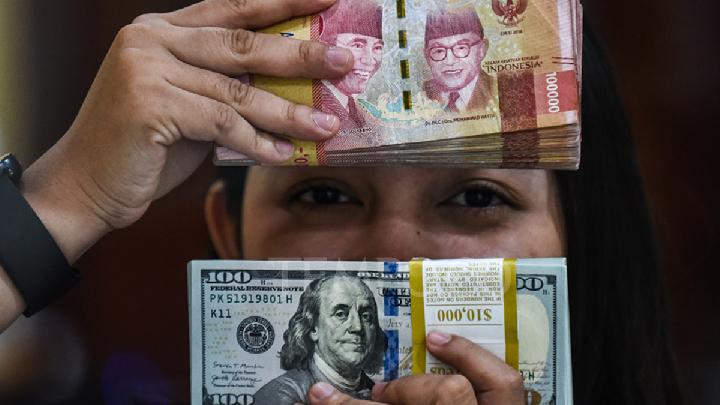
The exchange rate of the rupiah against the US dollar was set at Rp16,500 per US dollar in the 2026 state budget. As of June 3, 2026, the middle rate of Bank Indonesia was recorded at Rp17,057 per US dollar year-to-date and Rp17,863 per US dollar.
Meanwhile, the yield of 10-year Government Bonds (SBN) in the 2026 state budget was set at 6.9 percent. As of May 26, 2026, the SBN yield was recorded at 6.48 percent year-to-date and 6.67 percent at the end of the observation period.
For energy commodities, the assumed price of the Indonesian Crude Price (ICP) in the 2026 state budget was US$70 per barrel. However, the actual realization until May 2026 reached US$91.9 per barrel. Meanwhile, the oil lifting was set at 610 thousand barrels per day, while the actual realization until February 2026 only reached 535.8 thousand barrels per day.
On the other hand, gas lifting was targeted at 984 thousand barrels of oil equivalent per day in 2026. As of February 2026, the actual realization reached 957.9 thousand barrels of oil equivalent per day.
Purbaya mentioned that high economic growth is supported by increased household consumption, investment, and accelerated government spending. Inflation is considered to remain controlled with the decline in volatile food prices and government-set prices, supported by energy and food price policies to maintain people's purchasing power.
The depreciation of the rupiah exchange rate is influenced by geopolitical factors and the direction of global monetary policies. The movement of SBN yields is also influenced by global dynamics, although its level and volatility can still be maintained.
The global oil price hike is influenced by supply chain disruptions due to conflict in the Middle East and international policy developments. Meanwhile, the optimization of oil and gas lifting continues amidst the still volatile commodity market conditions.
Read: How to Save Rupiah and JCI from Further Drops
Click here to get the latest news updates from Tempo on Google News
Prabowo on Uneven Economic Growth: Let's Be Honest About Reality
4 hari lalu
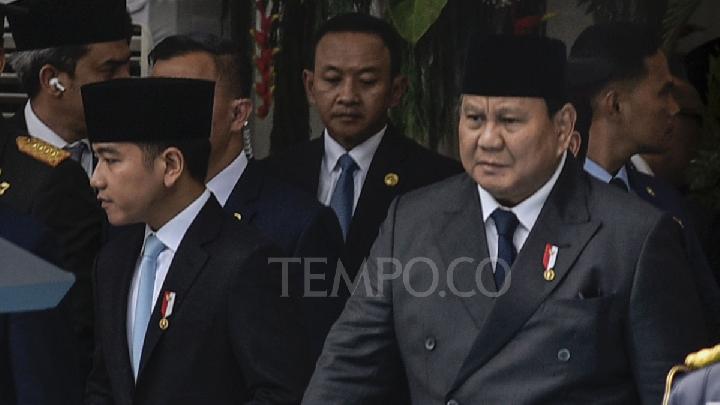
President Prabowo Subianto urged Indonesians to honestly assess the country's current condition during the Pancasila Day commemoration.
BPS: Consumer Trends Shift Toward Experience over Material Goods
9 hari lalu

BPS reports a shift in Indonesian consumer spending toward experiences like travel and dining.
Details of Indonesia's New Rp7.8 Trillion Stimulus Package
10 hari lalu

The Indonesian government is set to launch a Rp7.8 trillion stimulus package in a bid to boost late 2026 economic growth.
Singapore Maintains 2026 GDP Growth Forecast at 2-4%
11 hari lalu

Singapore kept its 2026 economic growth forecast at 2-4 percent, citing stronger-than-expected Q1 expansion driven by AI-related demand.
Luhut Optimistic on 8% Growth Despite Heavy MBG Costs
11 hari lalu
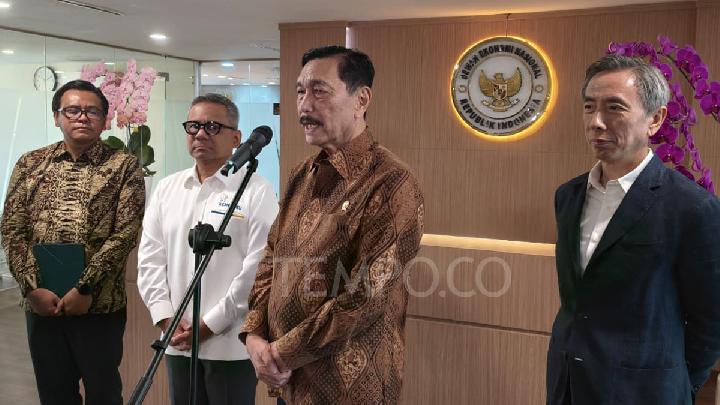
Chairman of the National Economic Council Luhut Luhut remains certain that the State Budget (APBN) deficit will be capped below 3 percent this year.
Is Indonesia's Economy Far From or Closer to a 1998 Crisis?
11 hari lalu
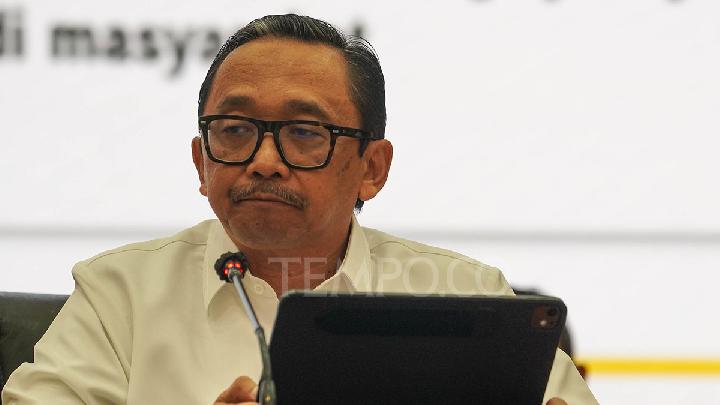
Deputy Minister of Finance Juda Agung stated that Indonesia's fiscal indicators, the current account balance, and the financial system remain stable.
Rupiah May Stay Near 17,800 per US Dollar Next Week
13 hari lalu

In Indonesia, the 5.61 percent economic growth is not in line with the strengthening of the rupiah exchange rate.
Prabowo Unveils Macroeconomic Assumptions for 2027
16 hari lalu
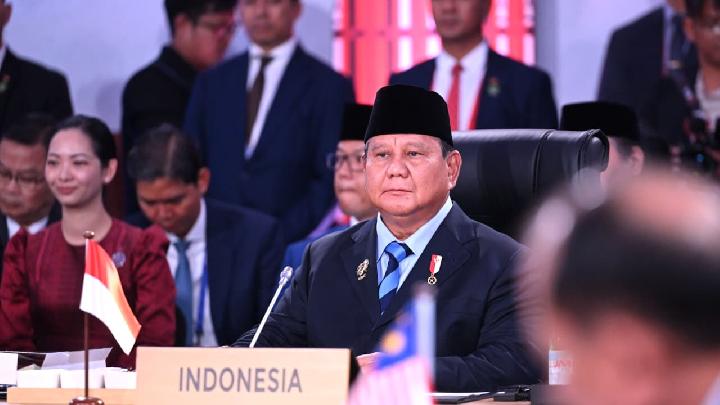
President Prabowo Subianto outlines the macroeconomic assumptions for the 2027 draft state budget, targeting economic growth of 5.8 to 6.5 percent.
Prabowo Targets 5.8%-6.5% Economic Growth in 2027
16 hari lalu
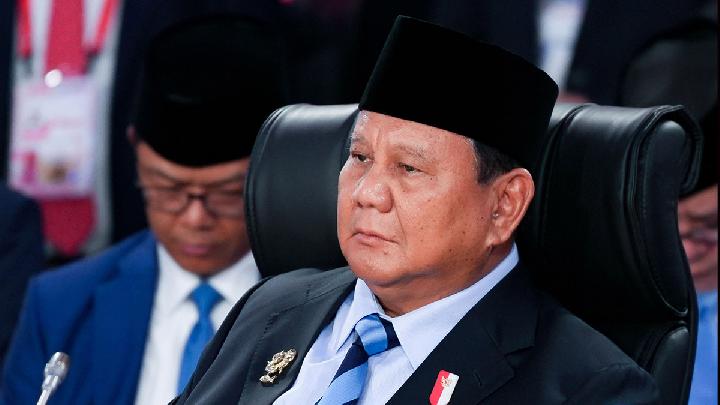
Prabowo said the growth target is expected to be accompanied by improved social welfare indicators, including reductions in poverty and unemployment.
Expert Shares Why Rupiah Falls Below Rp17,500 per US Dollar Today
24 hari lalu
The economic growth in the first quarter of 2026, which reached 5.61 percent, did not immediately strengthen the exchange rate of rupiah.